
June 23, 2026 | by Sarvesh Pathak

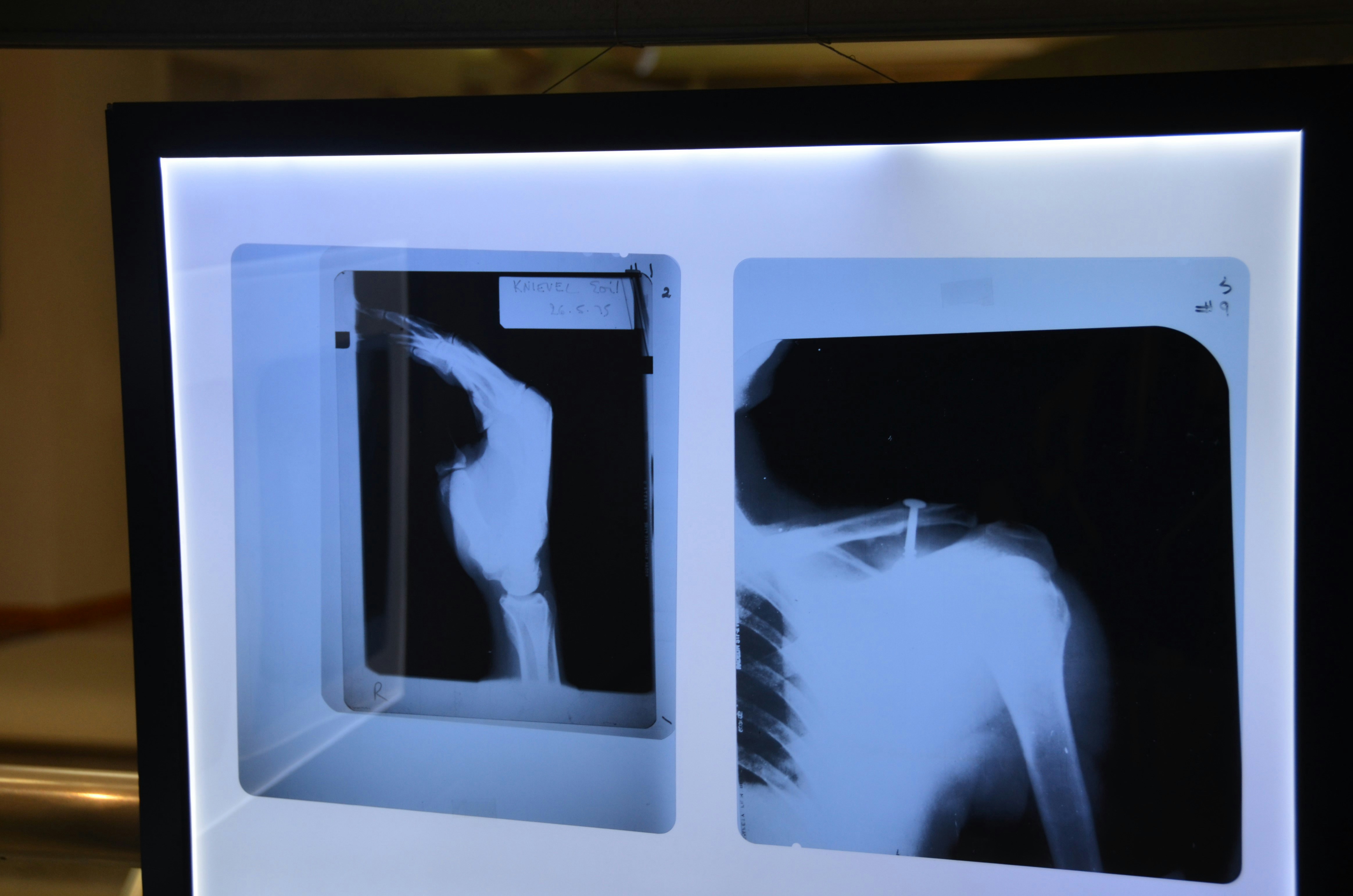
Frozen shoulder, medically known as adhesive capsulitis, is a condition characterized by stiffness and pain in the shoulder joint. The precise cause of frozen shoulder remains somewhat unclear in Allopathic, but it commonly develops in stages, leading to a significant decrease in mobility. This condition often affects individuals between the ages of 40 and 60, with women being more frequently diagnosed than men.
Patients with frozen shoulder typically experience progressively worsening symptoms, which can be categorized into three primary phases: freezing, frozen, and thawing. In the freezing stage, individuals begin to notice a decline in their shoulder’s range of motion accompanied by increasing pain, particularly during movement. This discomfort may initially feel mild but can escalate over time, leading to significant distress in daily activities.
As the condition advances into the frozen stage, the pain may begin to diminish for some individuals; however, the stiffness of the shoulder persists, severely restricting movement. This phase can last several months, during which patients may find it challenging to perform tasks that require overhead reaching, lifting, or even basic activities such as dressing.
The final phase, known as thawing, is where recovery begins. Patients experience a gradual improvement in mobility and a reduction in stiffness. Full recovery may take many months or even years, with some patients regaining complete function of their shoulder while others may experience lingering discomfort and limited range of motion.
Overall, frozen shoulder is a debilitating condition that arises from physiological changes in the shoulder joint, including thickening of the capsule surrounding the joint and the formation of scar tissue. Understanding these stages and symptoms is crucial for timely intervention and effective treatment strategies.
Frozen shoulder, medically known as adhesive capsulitis, is a condition characterized by stiffness and pain in the shoulder joint. The onset of this condition can significantly hinder mobility and daily activities. Understanding the risk factors and causes associated with frozen shoulder is crucial for effective prevention and management.
One of the primary risk factors for developing frozen shoulder is age. Individuals aged between 40 and 60 years are often more susceptible to this condition. Additionally, gender plays a role, with women being more likely to experience frozen shoulder compared to men. Certain medical conditions can also increase the risk of developing this ailment. For instance, patients with diabetes mellitus show a higher incidence of frozen shoulder, likely due to altered inflammatory responses and mobility restrictions.
Another significant cause of frozen shoulder is shoulder immobility following surgery or injury. For example, recovery from a rotator cuff tear, stroke, or mastectomy can lead to reduced arm movement, thereby increasing the likelihood of this condition. Prolonged immobilization is a known trigger for the inflammation and thickening of the shoulder joint capsule, resulting in restricted movement and pain.
The underlying physiological processes leading to frozen shoulder involve inflammation and the accumulation of scar tissue around the shoulder capsule. This thickening restricts flexibility and can cause intense discomfort. Furthermore, individuals who have experienced trauma or have underlying health concerns such as thyroid disorders or cardiovascular diseases may also face heightened risks.
In summary, recognizing the risk factors and causes of frozen shoulder, such as age, gender, underlying medical conditions, and arm immobility, is vital. By identifying these contributors, effective preventive strategies can be developed and implemented to minimize the impact of this limiting condition.
At Pathak Wave Cure Center, we recognize the challenges associated with frozen shoulder, also known as adhesive capsulitis. Our approach to treatment is comprehensive and designed to alleviate pain while restoring mobility and function to the affected shoulder. We implement a variety of effective methods tailored to the individual needs of each patient.
One of the primary treatment options we offer includes range-of-motion exercises. These exercises are carefully designed to gradually improve flexibility and strength in the shoulder joint. Our physical therapists work closely with patients, guiding them through a personalized exercise regimen aimed at overcoming stiffness without sacrificing comfort. This progressive approach has shown significant success in our clinical practice, leading to favorable outcomes.
Moreover, corticosteroid injections are another vital aspect of our treatment protocol. These injections provide immediate relief from pain and inflammation, thereby facilitating the physical therapy process. By reducing pain levels, patients are often able to engage more effectively in their rehabilitation exercises, accelerating their recovery journey.
In cases where conservative treatments do not yield the desired results, our center may recommend arthroscopic surgery. This minimally invasive procedure allows us to remove scar tissue and adhesions within the shoulder joint, effectively restoring its range of motion. Patients who undergo arthroscopic surgery often report significant improvements in their ability to perform daily activities, as demonstrated in numerous testimonials from previous patients.
Each treatment plan at Pathak Wave Cure Center is supported by clinical evidence and designed to meet the unique needs of our patients, ensuring the best possible outcomes for those suffering from frozen shoulder. Our commitment to providing empathetic care and effective interventions positions us as a leading facility in the treatment of this condition.
Once an individual has experienced frozen shoulder, understanding how to prevent its recurrence and manage any ongoing discomfort is essential. Post-treatment care plays a crucial role in maintaining shoulder health and minimizing future issues. Following a targeted rehabilitation program is vital for promoting full mobility and functionality of the shoulder. This often includes continued exercises that can be performed both at home and with the guidance of a physical therapist.
Incorporating gentle stretching and strengthening exercises into daily routines can help maintain flexibility and prevent stiffness. Regularly practicing these exercises will not only reinforce muscle strength around the shoulder joint but will also contribute to its overall stability. Ideally, these activities should become part of an individual’s lifestyle, aiding shoulder health as well as promoting better physical well-being.
In addition to exercises, lifestyle modifications can significantly influence the management of frozen shoulder. Engaging in activities that emphasize good posture and ergonomics can greatly help in reducing strain on the shoulder. Avoiding repetitive overhead movements and using proper lifting techniques may also lessen the risk of aggravating the condition.
Moreover, regular follow-ups with healthcare professionals remain integral to effective manage of frozen shoulder. These assessments can ensure that any changes in symptoms are monitored and appropriately addressed. Professional guidance from physical therapists (Wave Therapy) in Noida-India “Pathak Wave Cure Center” Noida can also Best help tailor an ongoing management plan suitable for individual needs, thus facilitating optimal recovery.
View all

May 15, 2025 | by Dr. Sarvesh Kumar Pathak

May 15, 2025 | by Dr. Sarvesh Kumar Pathak
May 15, 2025 | by Dr. Sarvesh Kumar Pathak