September 7, 2025 | by Dr. Sarvesh Kumar Pathak

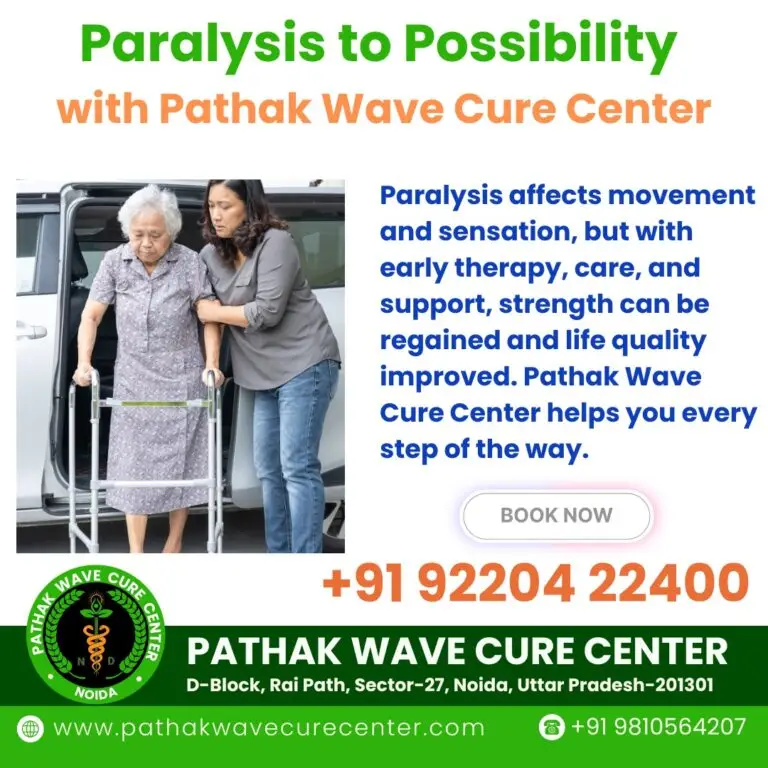
Paralysis is a medical condition characterized by the loss of voluntary muscle function in one or more parts of the body.
This can result from damage to the nervous system, specifically the brain or spinal cord, and can manifest in a variety of ways. There are several types of paralysis, most notably hemiplegia (affecting one side of the body), paraplegia (affecting the lower half of the body), and quadriplegia (affecting all four limbs). Each type can significantly impact an individual’s mobility and quality of life.
The causes of paralysis can vary widely. One significant contributor is gastric attacks, particularly those induced by toxic gases stemming from underlying conditions such as high blood pressure, diabetes, fever, and gastrointestinal disorders. These conditions can lead to disruptions in blood flow or oxygen supply to the brain and spinal cord, resulting in nerve damage. In specific cases, a stroke can occur, leading to sudden paralysis. Additionally, trauma from accidents, infections such as poliomyelitis, or diseases like multiple sclerosis can also be leading factors.
Recognizing the symptoms associated with paralysis is crucial for early diagnosis and treatment. Common symptoms may include weakness or lack of movement in the affected area, altered sensation (tingling or numbness), muscle fatigue, and in many cases, pain or discomfort. Individuals might also experience changes in bowel or bladder control and difficulties with coordination or balance. The presence of these symptoms can indicate the severity of the condition, necessitating immediate medical attention to prevent further complications or permanent damage.
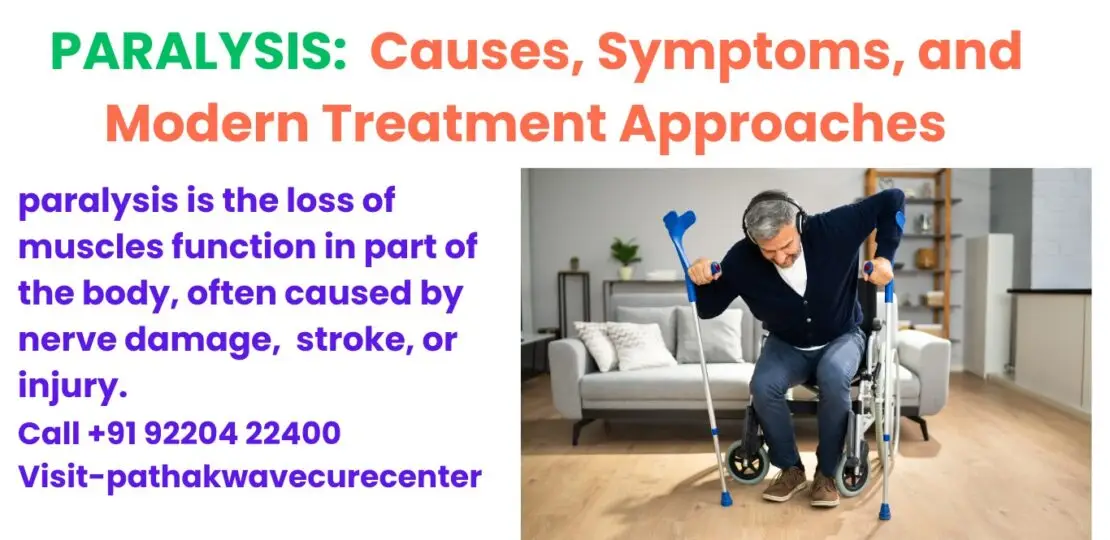
Paralysis represents a significant medical challenge affecting millions worldwide, prompting the exploration of various treatment modalities. Among the innovative methods gaining traction is wave therapy, a technique developed at the Pathak Wave Cure Center. This naturopathy approach leverages specific frequencies of sound waves to stimulate the body’s natural healing processes, offering a novel perspective in the management of paralysis.
The historical context of wave therapy can be traced back to ancient healing practices that emphasized the use of vibrations and sound. Recent advancements have enabled a more structured and evidence-based application of these principles within contemporary medicine. The Pathak Wave Cure Center has integrated these concepts into a comprehensive treatment plan aimed at enhancing patients’ mobility and overall well-being.
One of the most compelling aspects of wave therapy is its immediate effects on patients with paralysis. Case studies and patient testimonials suggest that individuals often experience a noticeable improvement in muscle activation and relaxation shortly after treatment sessions. This rapid response has not only fostered hope among patients but also caught the attention of medical professionals exploring adjunct therapies for paralysis rehabilitation.
A noteworthy advantage of wave therapy is its non-invasive nature; it does not involve the use of pharmaceuticals, thereby significantly minimizing the risk of side effects commonly associated with conventional treatments. This characteristic makes it a compelling option for individuals seeking alternative therapies. Patients report a sense of comfort and relief during sessions, contributing to an overall positive therapeutic experience.
As a result, wave therapy is emerging as a viable option for those suffering from paralysis, encouraging further research and application within clinical settings. Its innovative approach and promise of effectiveness underscore the potential of integrative techniques in enhancing patient recovery pathways.
Paralysis treatment presents unique challenges that often revolve around understanding the associated risks and potential complications. One significant concern arises when traditional methods, such as vigorous massage or exercise, are improperly implemented. While these strategies aim to promote recovery and improve mobility, inappropriate applications can result in unforeseen issues. For instance, aggressive massage techniques may lead to the formation of blood clots, particularly in individuals with limited mobility. Such clots can obstruct blood flow, thereby aggravate the paralysis and posing severe health risks.
Moreover, engaging patients in strenuous physical activities before their bodies are adequately prepared can induce muscle spasms. These involuntary contractions not only cause discomfort but can also hinder the rehabilitation process by complicating recovery efforts. It is crucial for healthcare practitioners to recognize these risks and to tailor treatment protocols to the individual needs and limitations of each patient. When dealing with paralysis, a careful balance must be struck to ensure that interventions are effective yet safe.
Despite these challenges, innovative treatments such as wave therapy have demonstrated promising outcomes, even in cases of severe paralysis. This non-invasive technique utilizes sound waves to stimulate nerves and promote healing, allowing for significant functional improvements without the risks associated with traditional therapies. This advancement highlights the crucial role that proper treatment protocols play in the recovery journey. As research continues to evolve in the field of paralysis treatment, it is imperative to adopt methods that are not only effective but also decrease the likelihood of complications.
The Pathak Wave Cure Center has been at the forefront of revolutionizing treatment for paralysis through innovative wave therapy. Numerous success stories underscore the efficacy of this treatment approach, illustrating the potential for significant relief and improved quality of life for patients. Among those who have benefited is a middle-aged individual who regained substantial mobility after a debilitating spinal cord injury. Through a combination of advanced wave therapy techniques and personalized care, the patient has reported a marked decrease in pain and a notable enhancement in physical function, leading to greater independence. Such cases are not uncommon at the center, where dedicated practitioners work closely with patients to tailor interventions that meet their specific needs.
The overall success rates at the Pathak Wave Cure Center highlight the transformative impact of wave therapy on the treatment of paralysis. Clinical studies conducted at the facility have shown a significant percentage of participants experiencing reduced symptoms and improved mobility. Patient satisfaction rates are consistently high, with many individuals’ expressing gratitude for the comprehensive care they received. This positive feedback often serves as motivation for the staff, who strive to create an environment conducive to healing and support.
Looking towards the future, the Pathak Wave Cure Center is actively engaged in ongoing research that aims to further enhance treatment methodologies for paralysis. As wave therapy continues to evolve, its application could lead to groundbreaking advancements in the medical community. Researchers are exploring various parameters of wave therapy, including dosage, timing, and individualized protocols, to maximize patient outcomes. This commitment to innovation positions the centre not only as a leader in patient care but also as a contributor to the broader discourse on effective paralysis treatment. Ultimately, the integration of continuous research with clinical practice promises a hopeful outlook for patients grappling with paralysis, fostering expectations for more accessible and effective treatments in the years to come.
View all
May 15, 2025 | by Dr. Sarvesh Kumar Pathak