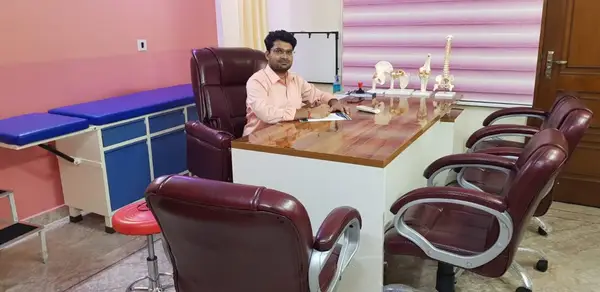
Orthopaedic problems, encompassing a range of conditions such as musculoskeletal disorders, joint pain, and Bone fractures, can significantly hinder an individual’s quality of life. These issues often result in chronic pain, restricted movement, and a diminished ability to perform daily activities. As a result, patients may find themselves unable to engage in routine tasks, leading to a reliance on others for assistance and a potential impact on their independence.
Joint pain, particularly in the knees, hips, and back, is a common complaint among individuals suffering from orthopaedic issues. The persistent discomfort not only affects physical mobility but can also lead to a reduction in social activities. Those experiencing these ailments may avoid engaging with friends and family or participating in group functions due to embarrassment or the fear of exacerbating their condition. This withdrawal can aggravate feelings of loneliness and social isolation, ultimately affecting mental health.
Moreover, fractures often necessitate prolonged periods of immobility or rehabilitation, which can further complicate emotional well-being. The psychological implications of dealing with chronic pain or functional limitations cannot be overstated. Patients frequently experience anxiety, depression, and frustration as they navigate a life altered by their condition. This psychological burden can intensify the perception of pain, creating a vicious cycle that complicates treatment and recovery.
Given these multifaceted repercussions, it is essential for individuals suffering from orthopaedic problems to seek professional healthcare advice. Early intervention and effective management strategies can play a pivotal role in mitigating both the physical and psychological impacts of these conditions. By consulting with specialists like Dr. Ankit Pathak, patients can explore comprehensive treatment plans tailored to their specific needs, ultimately aiming to improve their quality of life.</p>